
If your conservatory is only comfortable for a few weeks of the year, you’re not alone. For many homeowners, it starts as a bright, hopeful space, then quickly becomes too hot to sit in during summer, too cold to enjoy in winter, and ultimately underused. In most cases, the problem isn’t the conservatory itself, but the roof above it.
When it comes to upgrading, the big question is usually the same: should you choose a tiled conservatory roof or a glass conservatory roof? Both have their strengths, and both have evolved far beyond the basic designs of the past. From high-performance glass systems to solid tiled roofs and hybrid options that blend insulation with natural light, today’s choices are far more flexible than they once were.
In this article, we’ll explore how tiled and glass conservatory roofs compare in real-life use, from comfort and light to practicality and long-term value, so you can decide which option will work best for your home and the way you actually live.
What’s the difference between a tiled and a glass conservatory roof?
At a glance, the difference between a tiled and a glass conservatory roof seems straightforward: one is solid, the other transparent. But the real distinction is how each option affects the way your conservatory feels and functions day to day.
A glass conservatory roof is designed to maximise natural light and create a bright, open connection to the outdoors. It’s visually striking and can make a space feel larger and airier, especially in spring and autumn. The trade off is temperature control, as large areas of glazing naturally allow heat in and out more easily.
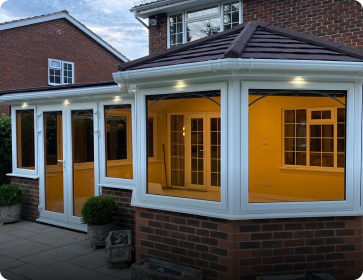
On the other hand, a tiled conservatory roof is built with insulation at its core. Rather than behaving like a sunroom, it performs more like a traditional roof, helping to keep warmth in during winter and excess heat out in summer. The result is a conservatory that feels quieter, more stable in temperature, and closer to a true extension of the home.
In recent years, modern systems have blurred the line between the two. Advances in glazing, insulation and lightweight construction mean homeowners no longer have to choose purely between light or comfort. This is especially true with hybrid designs that combine tiled roofing with carefully placed glass panels or roof lanterns.
Understanding these differences is the first step in choosing a conservatory roof that suits how you want to use the space, not just how you want it to look.
Traditional glass conservatory roofs: bright but seasonal
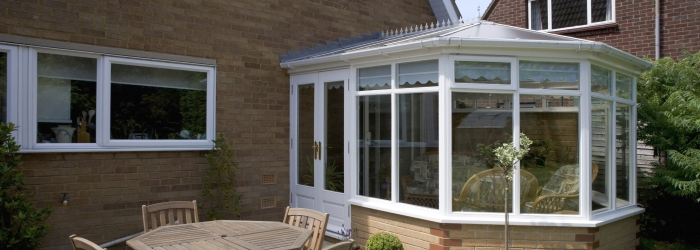
For many homes, a traditional glass conservatory roof is what came as standard. It delivers that classic conservatory look that’s open to the sky, filled with daylight, and visually connected to the garden. On a mild day, it can feel like the perfect place to sit and relax.
The challenge tends to appear once the seasons change. In summer, direct sunlight through the roof can cause the space to overheat quickly, making it uncomfortable for long periods. In winter, heat escapes just as easily, leaving the room cold and expensive to warm. Add rain noise, glare on screens and condensation on colder days, and the space can become difficult to use consistently.
That doesn’t mean glass roofs don’t have a place. They work well for conservatories that are used occasionally or primarily during warmer months. But for homeowners hoping to turn their conservatory into a true everyday living area, these limitations often prompt the search for a more practical alternative.
The SupaLite S2 glass conservatory roof: a modern approach to glass

While traditional glass roofs can struggle with comfort, modern glass conservatory roof systems have been designed to address many of those long-standing issues. The SupaLite S2 glass conservatory roof is a good example of how glass technology has moved on.
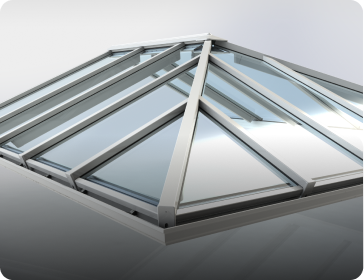
Rather than relying on basic glazing, the S2 uses high-performance glass and a slimline aluminium framework to improve thermal control without sacrificing the light, open feel homeowners love. The structure is engineered for strength and durability, while the glazing helps regulate temperature more effectively than older glass roofs.
This makes the S2 a strong option for people who:
- Want a bright, contemporary conservatory
- Prefer the look of glass over a solid ceiling
- Are upgrading an older glass roof and want better performance
That said, even with modern advancements, a glass roof will always behave differently to a fully insulated tiled roof. Understanding that difference is key when deciding how you want your conservatory to feel day to day, especially if year-round comfort is the goal.
Explore the S2 Glass Conservatory Roof in more detail.
Tiled conservatory roofs: designed for comfort all year round
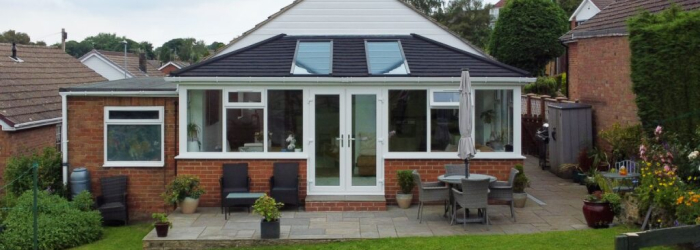
A tiled conservatory roof is often chosen by homeowners who want their conservatory to feel less like a seasonal add-on and more like a permanent part of the house. Rather than prioritising light alone, this type of roof is built around insulation, stability and everyday comfort.
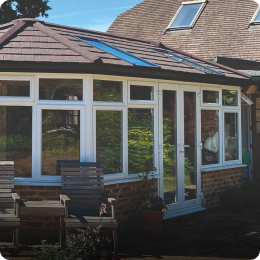
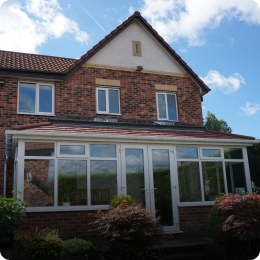
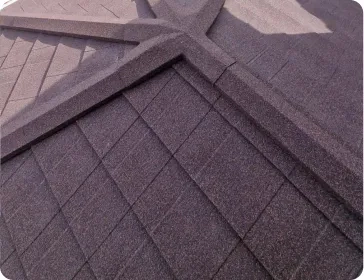
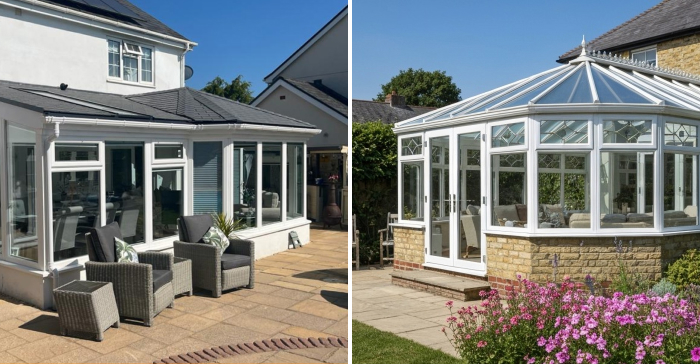
SupaLite tiled conservatory roofs use a lightweight aluminium framework combined with high-performance insulation and a weatherproof membrane, finished with tiles or slate that can be matched to the rest of your home. From the inside, the ceiling can be plastered and finished just like any other room, helping the space blend seamlessly with your existing living areas, looking more like an extension than a conservatory in some cases.
The difference is most noticeable in how the room feels:
- Temperatures are far more consistent throughout the year
- Rain and outside noise are significantly reduced
- The conservatory becomes easier to heat and more economical to run
For many homeowners, a tiled roof is what finally allows the conservatory to be used every day, whether that’s as a living room, dining space, home office or family area, without having to work around the weather outside.
Explore the SupaLite Tiled Conservatory Roof in more detail.
Want warmth and natural light? Hybrid conservatory roof options
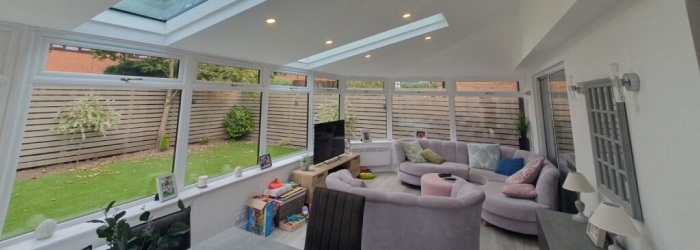
One of the biggest concerns homeowners raise when considering a tiled conservatory roof is whether the space will feel darker. The good news is that modern conservatory design no longer forces you to choose between comfort and natural light.
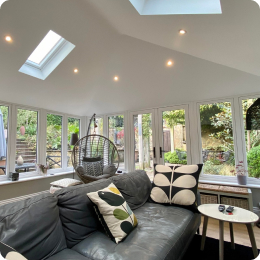
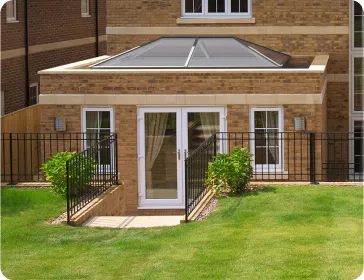
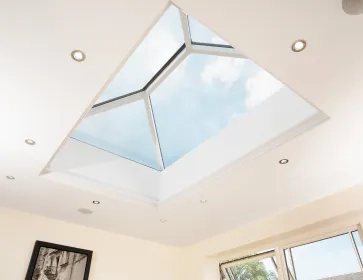
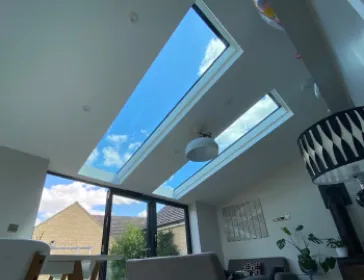
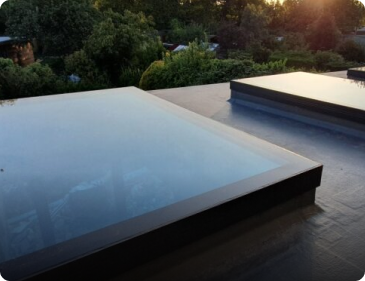
Hybrid conservatory roofs combine the insulation of a tiled system with carefully positioned glazing. Features such as SkyVista glass panels or a roof lantern are built directly into the tiled roof structure, allowing daylight to enter exactly where it’s needed without compromising thermal performance.
This approach offers a more balanced feel:
- Solid sections keep the room warm and comfortable
- Glass panels bring in daylight and create a sense of openness
- The overall space feels bright without overheating
Hybrid designs are particularly popular for rear-facing conservatories or spaces that sit beneath first-floor windows, where light is welcome but full glazing would make temperature control difficult. For many homeowners, this solution delivers the best of both worlds, with a room that feels light, inviting and usable all year round.
Tiled vs glass conservatory roofs: how do they compare in everyday use?
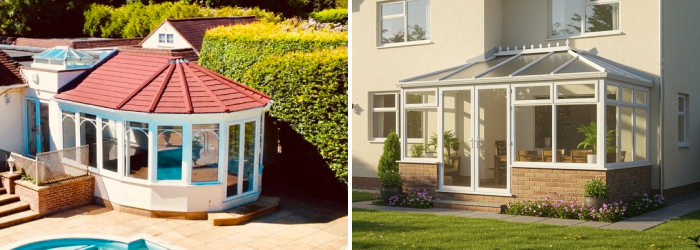
When choosing between a tiled or glass conservatory roof, the real differences become clearer once you think about how the space is used on a daily basis, not just how it looks on day one.
A glass conservatory roof naturally creates a lighter, more open atmosphere. It works well if you enjoy natural daylight and tend to use the space casually or seasonally. However, even with modern glazing, temperature fluctuations are more noticeable, and the room may still feel less comfortable during extreme weather.
A tiled conservatory roof offers a very different experience. Insulation plays a much bigger role, helping the room hold a steady temperature and reducing noise from rain and wind. This makes the space feel calmer, quieter and more in tune with the rest of the house, particularly if you plan to use it as a main living area.
Hybrid designs sit between the two. By combining tiled sections with glass panels or a roof lantern, they allow light into key areas while maintaining the thermal performance needed for year-round use.
There isn’t a single “best” choice for every home. The right conservatory roof depends on whether you value light, comfort or a balance of both, and how you want the space to fit into your everyday life.
Which option offers better long-term value?
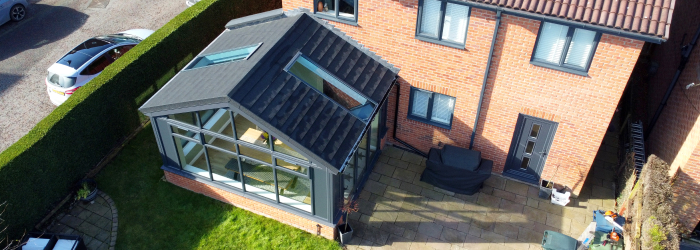
When comparing tiled and glass conservatory roofs, value isn’t just about the initial installation; it’s also about how much use you get from the space once the work is done.
As they tend to be much cheaper, a glass conservatory roof can be appealing upfront, especially if you love natural light and want a lighter visual feel. But if temperature extremes limit how often the room is used, that value can quickly diminish. A space that’s only comfortable for part of the year often ends up underused, regardless of how good it looks.
A tiled conservatory roof tends to deliver stronger long-term value because it changes how the room functions. By improving insulation and reducing heat loss, the conservatory becomes easier to heat, cheaper to run and far more usable throughout the year. For many homeowners, that shift from occasional use to everyday living is where the real return is felt.
Hybrid solutions can also offer excellent value. By combining tiled sections with glass panels or a roof lantern, you can enjoy a bright space that still performs well thermally, making the conservatory feel both inviting and practical over the long term.
Ultimately, the best value comes from choosing a roof that allows you to genuinely enjoy the space, rather than working around its limitations.
Can you replace a glass conservatory roof with a tiled one?
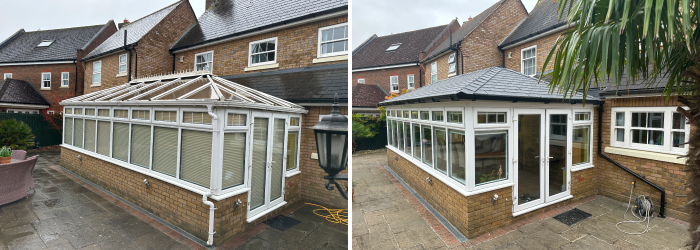
For many homeowners, the decision isn’t about choosing a roof for a new conservatory, but rather it’s about improving the one they already have. The good news is that, in most cases, an existing glass conservatory roof can be replaced with a tiled roof without altering the main structure.
Modern tiled conservatory roof systems are specifically designed to be lightweight, which means they can often be fitted onto existing frames once structural checks have been completed. This makes roof replacement one of the quickest and most effective ways to upgrade an uncomfortable conservatory.
Replacing a glass roof with a tiled system can:
- Dramatically improve insulation and comfort
- Reduce noise from rain and wind
- Make the space easier and cheaper to heat
- Transform how the room feels and functions
Because installation is typically completed in a matter of days rather than weeks, homeowners can achieve extension-like comfort without the disruption of major building work. For those happy with their conservatory’s size and layout, a roof replacement is often the most impactful improvement they can make.
Discover how much a titled conservatory roof replacement costs or learn more about the process of replacing a conservatory roof on our blog.
Final thoughts: choosing the right conservatory roof for your home
When it comes to deciding between a tiled or glass conservatory roof, there’s no universal right or wrong answer; there’s only the option that best suits how you want to live in the space.
If natural light and a contemporary feel are your top priorities, a modern glass roof like the S2 Glass Conservatory Roof can be a great fit. If comfort, insulation and year-round usability matter more, a tiled conservatory roof like the SupaLite Roof is often the most practical choice. And if you’re looking for a balance between the two, hybrid designs allow you to enjoy warmth and daylight without compromise.
The most important thing is to think beyond appearance and consider how you want your conservatory to work day to day. A well chosen roof doesn’t just change how the room looks, it also changes how often you use it, how comfortable it feels, and how well it fits into the rest of your home.
With today’s flexible conservatory roof systems, you don’t have to settle for a space that’s only enjoyable part of the year. The right roof can turn it into a place you genuinely enjoy, whatever the season.
Find out more in these related resources:
Explore Conservatory Roof Replacements
Which SupaLite Product Is Right For Me?
Conservatory Roof Options: Exploring the Best Conservatory Roof Types & Replacements
