
Every homeowner wants to reduce their energy bills, especially in 2026. With around 1 in 3 UK households in debt to their energy supplier, it has never felt more important.
Although the energy price cap dropped slightly in April, forecasts suggest bills could rise again later in the year, so any relief may well be short-lived. The good news is there are plenty of practical things you can do at home to reduce what you spend, from small changes that cost very little to bigger upgrades that make a real long-term difference.
In this guide, we’ll walk through 8 of the most effective energy-saving home improvements and explain which ones are most likely to cut your bills over time. We’ll also look at why insulation, particularly at roof level and in conservatories, tends to have the biggest overall impact.
What could you actually save by improving your home’s energy efficiency?

Improving your home’s energy efficiency does more than just lower your bills; it can also make your home more comfortable, increase its value and reduce your environmental impact at the same time.
If you are not sure how improving your home’s energy efficiency could help, here are four reasons it is worth considering:
Save money
Saving energy means saving money. With the average UK energy bill now around £1,700 a year, reducing this by a few hundred pounds is going to make a noticeable difference!
Make your home more comfortable
Better insulation keeps heat in during winter and reduces the risk of damp and mould. Your home just feels better to live in day to day.
Increase your home’s value
Energy-efficient homes tend to be more appealing to buyers, especially with energy costs being such a big concern. Improvements can also help improve your EPC rating, which can make a difference when it comes to selling.
Help the environment
A significant proportion of UK carbon emissions comes from the energy we use at home. Using less of it makes a genuine difference.
The 8 most effective ways to reduce energy use at home
So, how can you actually save on your energy bills at home? Here are 8 improvements worth making, from the quick wins to the bigger upgrades.
1. Insulate your loft
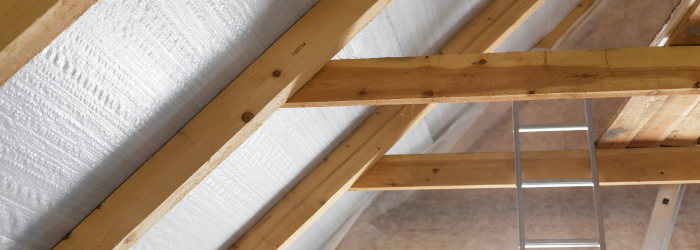
Loft insulation is one of the most cost-effective improvements you can make. Without it, up to a quarter of your home’s heat escapes straight through the roof, which is why it is often one of the first areas worth improving.
It works by slowing heat transfer, helping your home stay warmer in winter and cooler in summer. It lasts for decades too, so the long-term savings comfortably outweigh the upfront cost.
What it costs:
DIY for a semi-detached home: £250 to £300
Professional installation: around £500
Potential saving: Up to £300 per year
If your loft insulation is below recommended levels, this is almost always the best place to start.
2. Upgrade your boiler
Your boiler is the heartbeat of your home. It keeps your central heating and hot water running and is responsible for up to 60% of your energy bill, so it makes sense to make sure you have the best one you can get.
If yours is old, has a low energy rating or keeps breaking down, it is probably costing you more than it should. Modern A-rated boilers are significantly more efficient than older models and many homeowners notice a real drop in their bills after switching. Payment plans are available through most suppliers if the upfront cost is a concern.
What it costs: £500 to £2,500 depending on the boiler and your existing system
Potential saving: Up to £580 per year for homes switching from an old G-rated boiler
It is a bigger investment than loft insulation, but if your boiler is old and inefficient, it is one of the highest-impact changes you can make.
3. Upgrade your conservatory roof
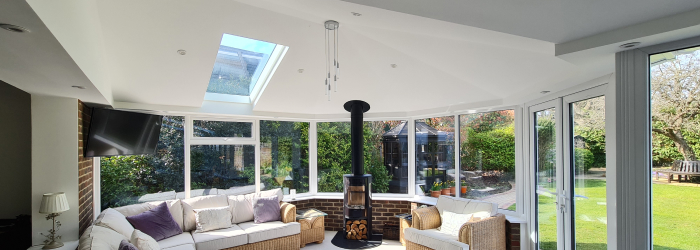
If your conservatory has a glass or polycarbonate roof, there is a good chance it is one of the least energy-efficient parts of your home. And if you’re being honest, probably one of the least used rooms too.
Why older conservatory roofs are a problem
Glass and polycarbonate roofs lose heat quickly in winter and trap it in summer, making the space uncomfortable and expensive to keep at a usable temperature. Most homeowners end up shutting the door and avoiding it for months at a time, while still paying to heat it indirectly through the rest of the house.
How a tiled roof replacement makes a difference
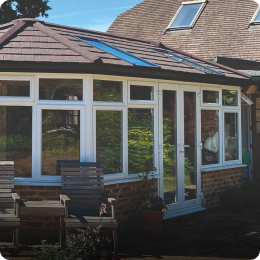
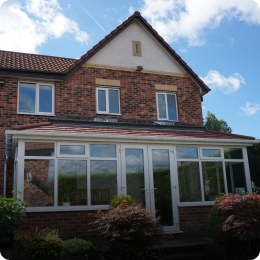
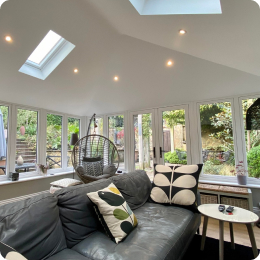
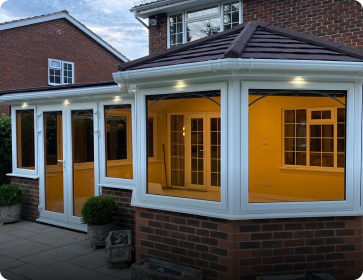
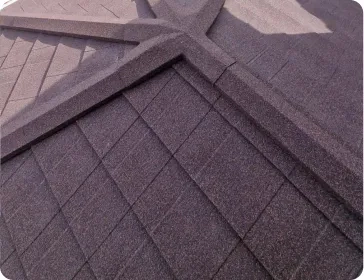
Replacing the roof with a modern insulated tiled system like SupaLite sorts the problem at its source. It improves insulation, keeps the temperature consistent throughout the year and reduces the energy needed to heat the space. In most cases, it turns a room you barely use into one you actually want to spend time in every day.
Here is how the options compare:
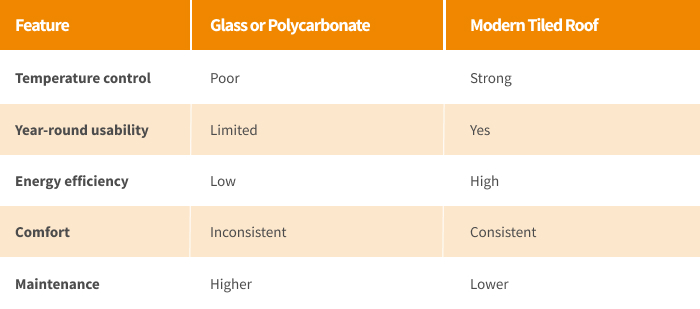
A tiled conservatory roof is not just a cosmetic upgrade. It can completely change how the space feels, turning it into a comfortable, usable part of your home all year round. It can also make a difference to your home’s value, which we explore in more detail in our guide on whether a conservatory adds value to a property .
4. Switch to a green energy tariff

According to Uswitch , nearly half of households are unsure what they can do to reduce their energy bills, and around a third avoid switching deals because they are worried about making the wrong decision.
Switching to a green energy tariff moves you onto electricity generated from renewable sources like wind and solar, reducing your reliance on fossil fuels. Not all green tariffs are equal though, so it is worth checking how much of the energy is genuinely renewable before committing. It is also worth checking for any exit fees with your current provider before you make the move.
What it costs: Free to switch. Use a price comparison site to find the best current deal.
Potential saving: Varies by supplier and usage.
5. Get a smart meter fitted
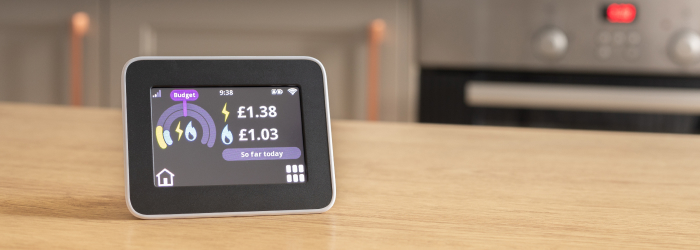
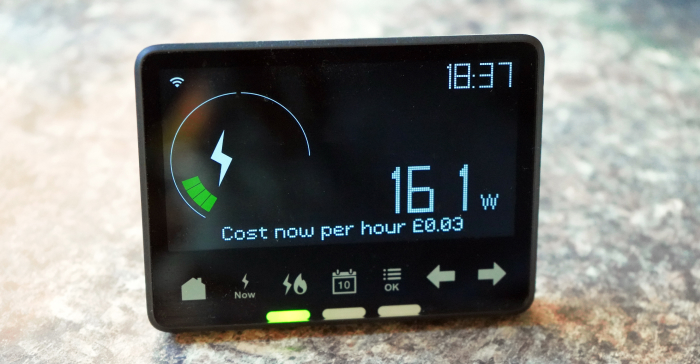
Most of us have no real idea how much energy we are actually using day to day. A smart meter changes that. It gives you a real-time view of exactly what you are using and what it is costing you, which makes it much easier to spot where you are wasting money without even realising it.
Smart meters also send automatic readings to your supplier, so you will always be billed on actual usage rather than estimates.
What it costs: Free. Just contact your energy supplier to arrange installation.
6. Consider installing solar panels
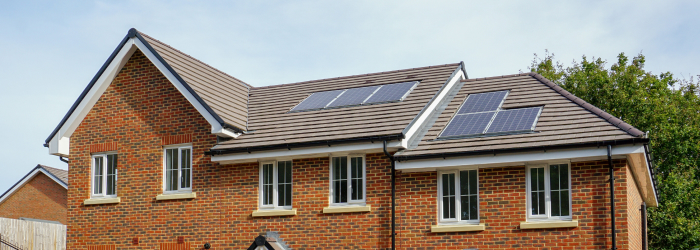
Solar panels let you generate your own electricity and reduce how much you rely on the grid. A typical home system can cover around 40 to 50% of your electricity use, and any surplus can be sold back through the Smart Export Guarantee.
Once installed, they need very little maintenance and can last 25 years or more. The main drawback is the upfront cost, and output will be lower on cloudy days, which is worth bearing in mind in the UK.
What it costs: £2,000 to £8,000 depending on roof size and systemPotential saving: Up to 50% off your electricity bills over time
7. Insulate your cavity walls
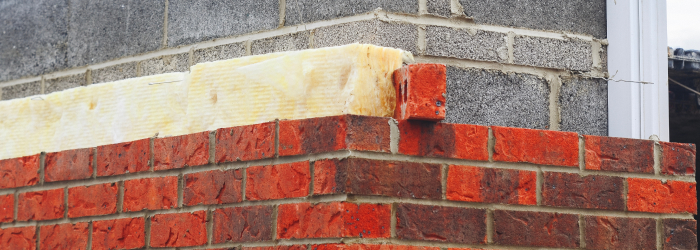
Cavity wall insulation fills the air gap between your inner and outer walls with insulating material that slows the transfer of heat. Think of it like a thick jumper for your house. The more heat your home retains, the less energy you need to keep it warm.
What it costs: £300 to £750 for professional installation
Potential saving: Up to £395 per year
If your home was built after 1920 and has not already had cavity wall insulation fitted, it is worth getting a survey to check whether it is suitable.
8. Replace old doors and windows
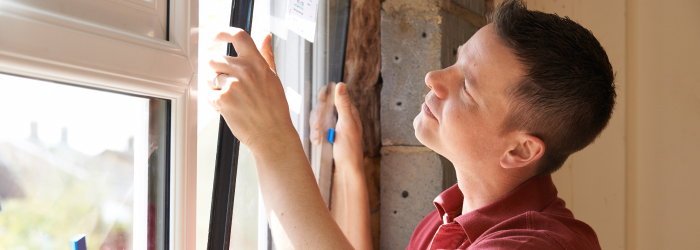
You can lose as much as 20% of your home’s heat through older or poorly sealed doors and windows. Replacing them with modern double or triple glazing, along with more airtight doors, helps keep warmth in and reduces noise from outside.
That said, if budget is a factor, it usually makes sense to focus on your loft and walls first, as they account for a larger share of heat loss. Doors and windows are still well worth upgrading, but are often tackled after the bigger issues have been sorted.
What it costs:
Window replacement: £2,000 and upward depending on number and style
New front door: £750 to £1,250
Potential saving: Up to £235 per year
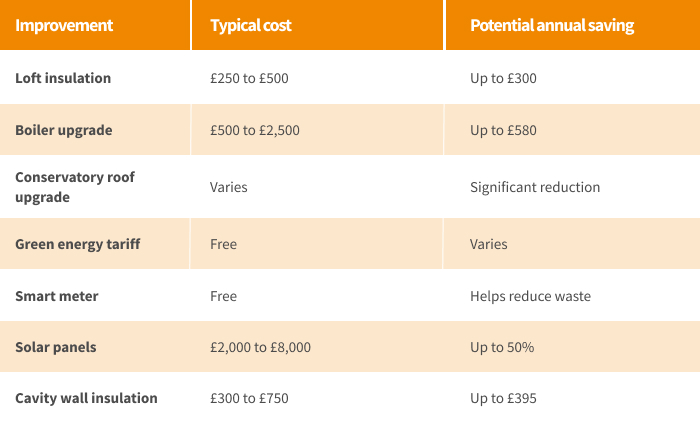
Side-by-side comparison of energy-saving home improvements
If you are weighing up your options, this gives a quick overview of how the costs and savings compare across each improvement:
Small changes that also make a difference
Alongside the bigger upgrades, these smaller steps can help bring your bills down a little further without spending much at all:
- Use draught-proofing tape around doors and windows
- Hang thick curtains to retain heat
- Switch to LED bulbs throughout the home
- Replace older appliances with energy-rated alternatives when they need replacing
If you are also thinking about improving other areas of your home, our guide to home improvement ideas is a good place to start.
Where to start with energy-saving home improvements
If you are not sure where to begin, focus on the areas where your home is losing the most heat.
Loft and cavity wall insulation are usually the most cost-effective starting points. If you have a conservatory, the roof is often the weakest point in the whole house and one of the biggest opportunities to improve both efficiency and usability at the same time.
Upgrading to a SupaLite tiled roof can reduce heat loss, lower your energy bills and turn an underused space into a comfortable room your family can enjoy all year round. Get in touch with our team today to find out more about our SupaLite conservatory roof systems or locate an installer near you to get started.
