











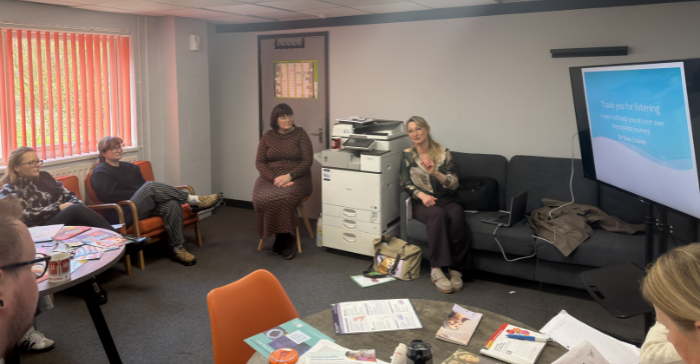
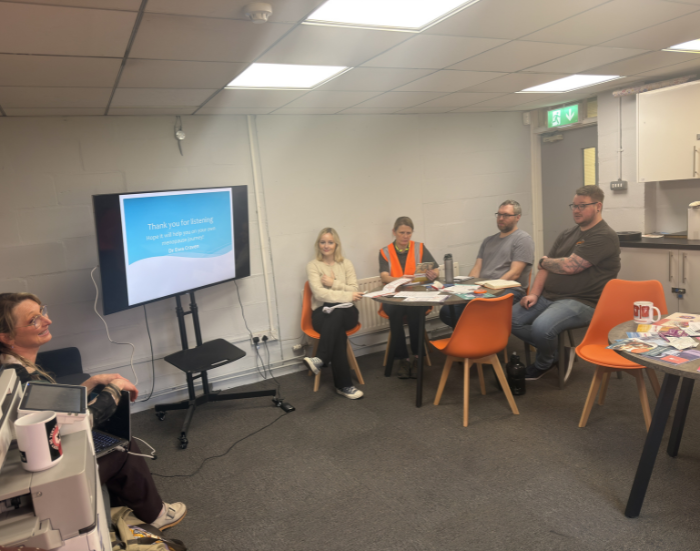
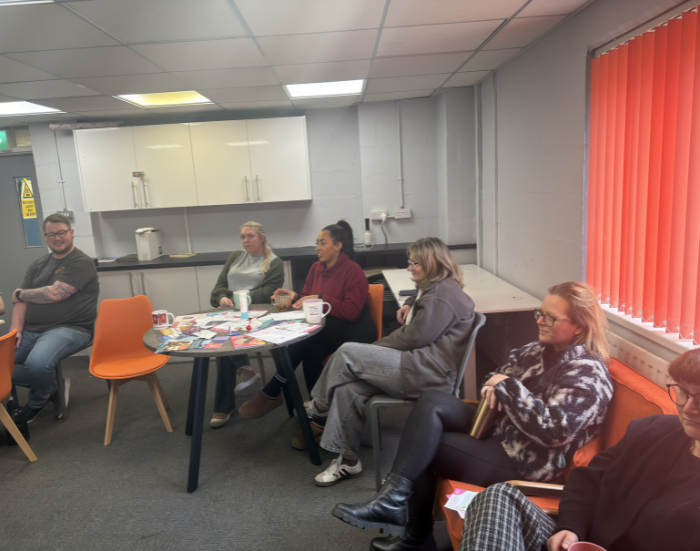
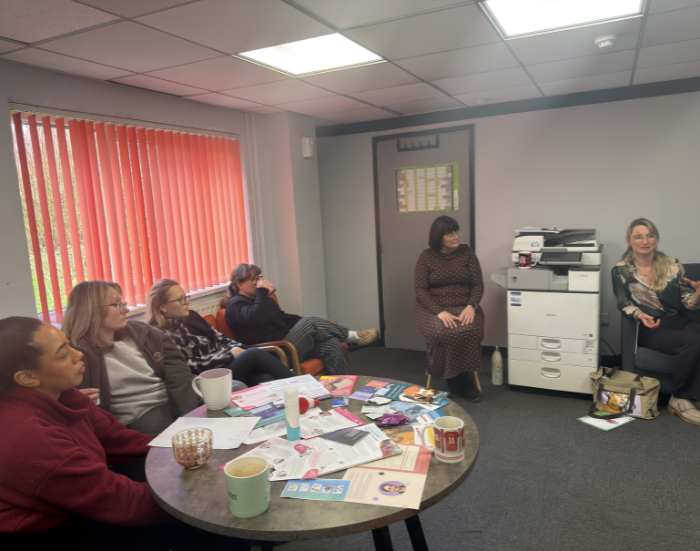
At SupaLite, we’re committed to creating a workplace where everyone feels supported, heard, and understood. As part of this, we recently hosted a women’s health seminar with a special guest, Dr Craven – a menopause specialist, to raise awareness, spark conversation, and provide practical guidance around topics that are too often overlooked.
Following the session, we caught up with Karen, one of our Women’s Health Champions, to hear her reflections, personal experiences, and thoughts on how we can continue to support women across the business.
You’ve Just Attended the Women’s Health Seminar – What Stood Out to You the Most?
It really highlighted just how far medicine and understanding have come over the last 10 years. In the past, getting support wasn’t easy – you often had to fight to be heard. Symptoms were dismissed, and many women were told it was “all in their head,” simply because there wasn’t enough understanding of the female body.
Now, things feel very different. There’s more empathy, more awareness, and better support available. Conversations in the media, like Davina McCall’s menopause programmes, have helped bring these issues into the spotlight. Today, you feel listened to – and that’s a huge step forward.
How Did the Session Make You Reflect on Your Own Approach to Health and Wellbeing?
It took me back to when I first started experiencing extreme mood swings in October 2020. It took time to get answers. But, eventually I was diagnosed with menopause and started using an HRT patch, which made a real difference.
Since then, I’ve focused on staying active. Keeping fit has been key – not just for my mental health but physically too. Exercise helps reduce the risk of osteoporosis and keeps you feeling stronger overall. I do spin classes, avoid high-impact activities like running, and focus on strength training. I’d highly recommend it – it really does make a difference.
Why Do You Think Events Like This Are So Important Raising Awareness Around Women’s Health, Especially in Today’s Workplace?
They’re incredibly important because they help people understand why someone might be acting or feeling a certain way. Menopause can bring a wide range of symptoms. From physical changes to emotional and mental health challenges, and not everyone experiences it the same way.
With people working longer, many women will go through menopause during their careers. Having that awareness in the workplace helps build empathy and understanding. Even small things – like having access to a fan or a quiet space – can make a big difference during moments like hot flushes or sudden temperature changes.
In Your View, What Are Some of the Most Overlooked Aspects of Women’s Health That We Should Be Talking About More?
We still need to be more open about it. It’s a natural part of life, but there’s still a level of discomfort around talking about it.
At the same time, it’s about balance. Women’s health challenges are real. Things like migraines, nausea, and mood changes can be part of menopause. But, it’s also important that we approach it responsibly and fairly in the workplace.
Flexible working has been a huge support for me personally. It’s helped my mental health and made it easier to manage days when I feel overwhelmed or overstimulated, especially in a busy office environment.
As One of Our Women’s Health Champions This Year, What Does That Role Mean to You Personally?
It means being there for people. I’ve been through difficult periods myself – feeling overwhelmed, dealing with anxiety, and trying to balance a heavy workload – and I know how important it is to have someone who listens.
I want to be approachable, to offer support and guidance, and to help people understand what they might be going through. Whether that’s a chat over a brew and a biscuit, or pointing someone towards helpful resources, I’m here to make things a little easier.
What Motivated You to Take on This Role?
If you’ve been through it, you understand how important support is. I didn’t always have that support when I needed it, and that’s what motivates me now.
I want to help others have a smoother experience. Even if it’s just one conversation that helps someone feel less alone or more informed, it’s worth it. You never stop learning with women’s health, and I’m passionate about continuing to grow and share that knowledge.
How Do You Hope to Support or Influence Others Within the Organisation?
By simply being there and encouraging open conversations. It’s also about helping everyone – not just women – understand more about women’s health.
It affects so many aspects of life, and the more we talk about it, the less intimidating it becomes. I’d like people, including our male colleagues, to feel comfortable engaging in these conversations too.
What’s One Key Takeaway You’ll Be Bringing Back to Your Team or Colleagues?
That support is always available. I want people to know that if they need someone to talk to, I’m here.
Whether it’s sharing advice, helping with research, or just listening, I’ll do what I can to guide them in the right direction. Sometimes, just knowing where to start can make all the difference.
How Can We Better Support Women’s Health in the Workplace Moving Forward?
We’ve already taken some really positive steps, like introducing a dedicated policy and creating spaces where people can step away when they need to. That’s made a big difference.
Going forward, it’s about continuing to build on that foundation. We need to make sure people feel comfortable asking for help, taking a break, or even just having an honest conversation about how they’re feeling. Having somewhere to go when you’re overwhelmed – even for a few minutes – can help reset and prevent things from escalating.
Ultimately, it’s about creating an environment where support is visible, accessible, and encouraged.
What Would You Say to Someone Who’s Hesitant to Engage in Conversations Around Women’s Health?
Don’t hold back – just start the conversation.
No question is a silly question. If you don’t ask, you don’t get the answers or support you might need. A lot of people feel unsure or lack confidence when it comes to talking about women’s health, especially with symptoms like brain fog or anxiety. But that’s exactly why these conversations are so important.
The more we talk about it, the more normal it becomes – and the easier it is for everyone to understand and support each other.
Creating a Supportive Future Together
Karen’s story is a powerful reminder of why these conversations matter. At SupaLite, we’re proud to be taking steps toward a more open, supportive, and informed workplace. But this is just the beginning.
By continuing to listen, learn, and support one another, we can create an environment where everyone feels empowered to prioritise their health and wellbeing.
